Pollinators are some of the most important, hard-working, and easily overlooked residents of the Bay of Quinte region. From bees and butterflies to flies, beetles, and beyond, the BoQ is home to hundreds of pollinators. Let’s take a closer look at some of the coolest species you might spot in the region!
TINY CREATURES PLAYING OVERSIZED ROLES
Did you know that there are hundreds of pollinator species in Ontario? Here are a few of our favourites:
Pollinator Species
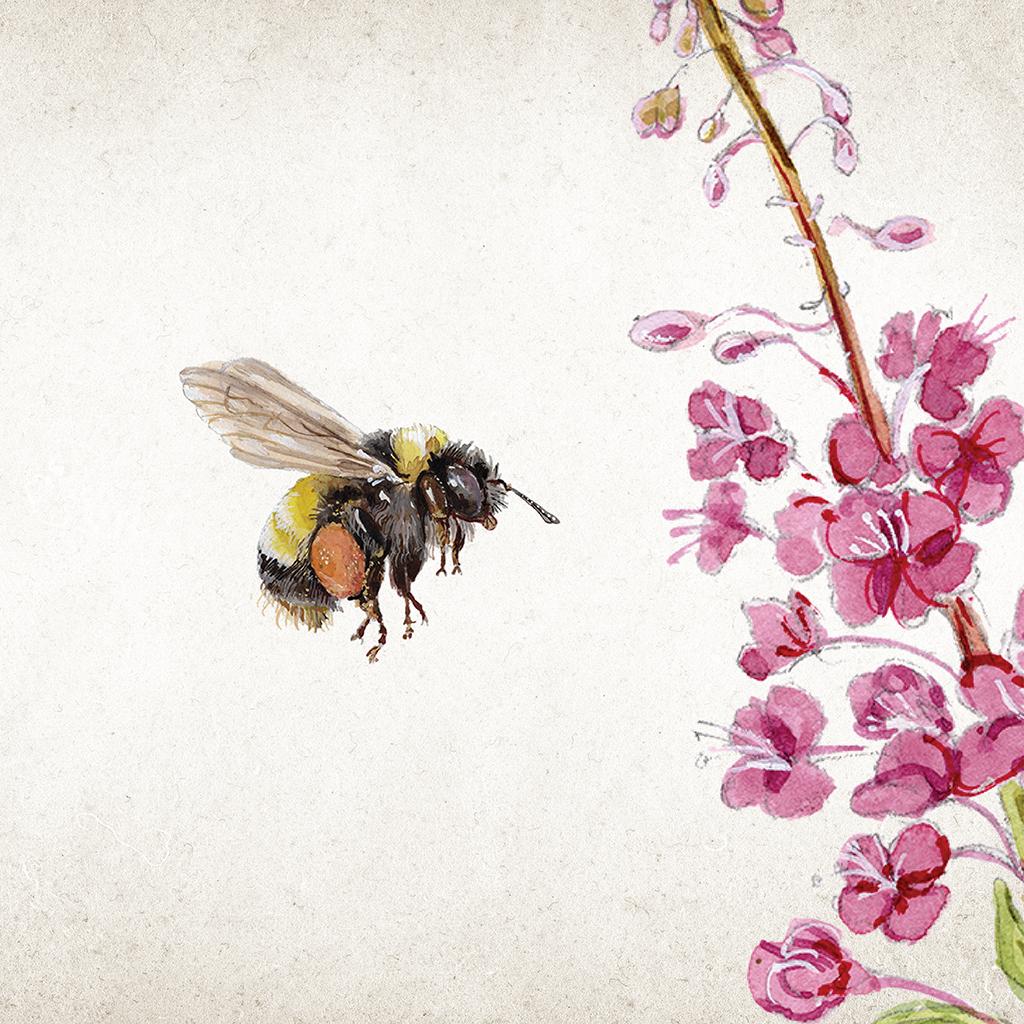
YELLOW-BANDED BUMBLE BEE
(Bombus terricola)
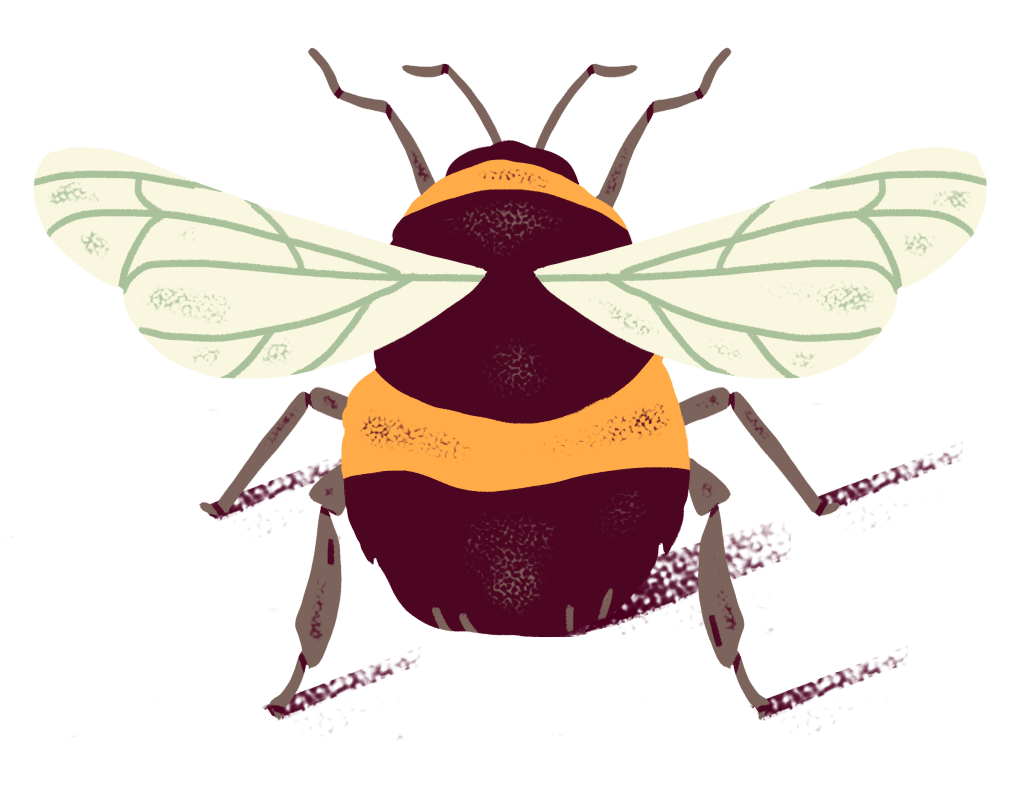
Bumble bees, like the yellow-banded bumble bee, are pollination powerhouses. Their big, fuzzy bodies make them perfect for the job, since stray pollen sticks to them and is transferred from flower to flower as they feast. Bumble bees are our only native bees and, like honey bees, live in colonies where there is one queen and many workers, whom you may see collecting nectar and pollen from flowers all summer long. Unlike honey bees, which are an introduced agricultural species in Ontario, the yellow-banded bumble bee is native to the area, and is a species at risk. These bees need all the help they can get!
FUN FACT: There are about 14 species of bumble bee in the Bay of Quinte region, including the common eastern bumble bee (Bombus impatiens), brown-belted bumble bee (Bombus griseocollis), and red-belted bumble bee (Bombus rufocinctus)
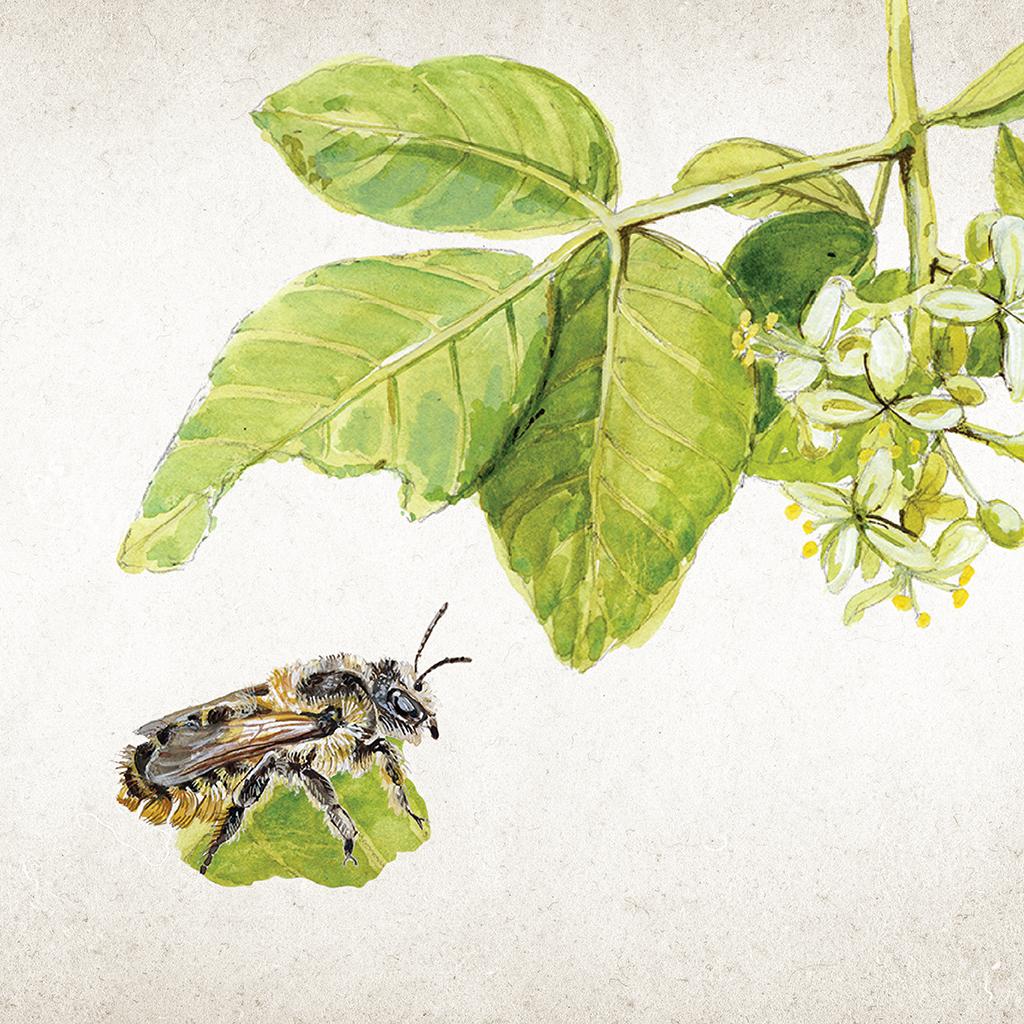
BROAD-HANDED LEAFCUTTER BEE
(Megachile latimanus)
The broad-handed leafcutter bee is a honey bee–sized pollinator with a trick up its sleeve—instead of carrying pollen on their hind legs like bumble bees, female leafcutter bees have dense hairs on their abdomens for packing in pollen. Their name is well deserved: after finding a perfect tunnel to nest in, females will chew a circle out of a leaf, which she then carries back to her nest, rolls into a thimble-shaped sleeping bag, lines with pollen and nectar, and lays a single egg in. These little eggs will develop into some of our finest pollinators the following spring.
FUN FACT:If you ever find a circular hole at the edge of a leaf or flower petal, you’re likely looking at the handiwork of a leafcutter bee!
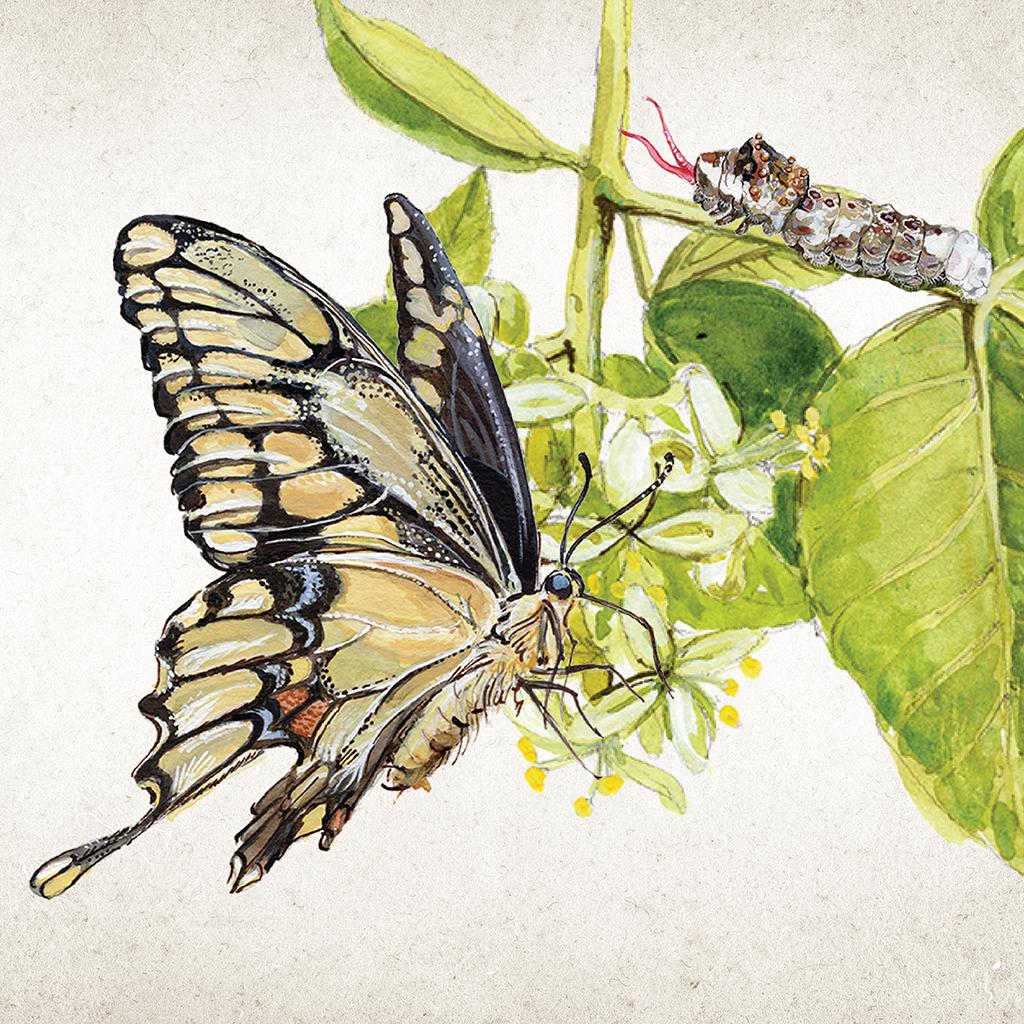
EASTERN GIANT SWALLOWTAIL
(Heraclides cresphontes)
The eastern giant swallowtail is one of the largest and most charismatic pollinators in the Bay of Quinte area, alongside other butterflies like the monarch (Danaus plexippus). Their elegant wings, which can give them an impressive wingspan of 16 centimetres, are black and yellow with distinctive, tail-like projections on the bottom. Like many butterfly species, eastern giant swallowtails drink nectar from many flowers, transferring pollen as they go, but only lay eggs on a select few plant species. In Ontario, the caterpillars of these beautiful butterflies feed solely on the prickly-ash and the hoptree.
FUN FACT: Eastern giant swallowtail caterpillars take many forms as they grow—at one stage they resemble bird droppings, and at another they look like a green snake, complete with a forked tongue!
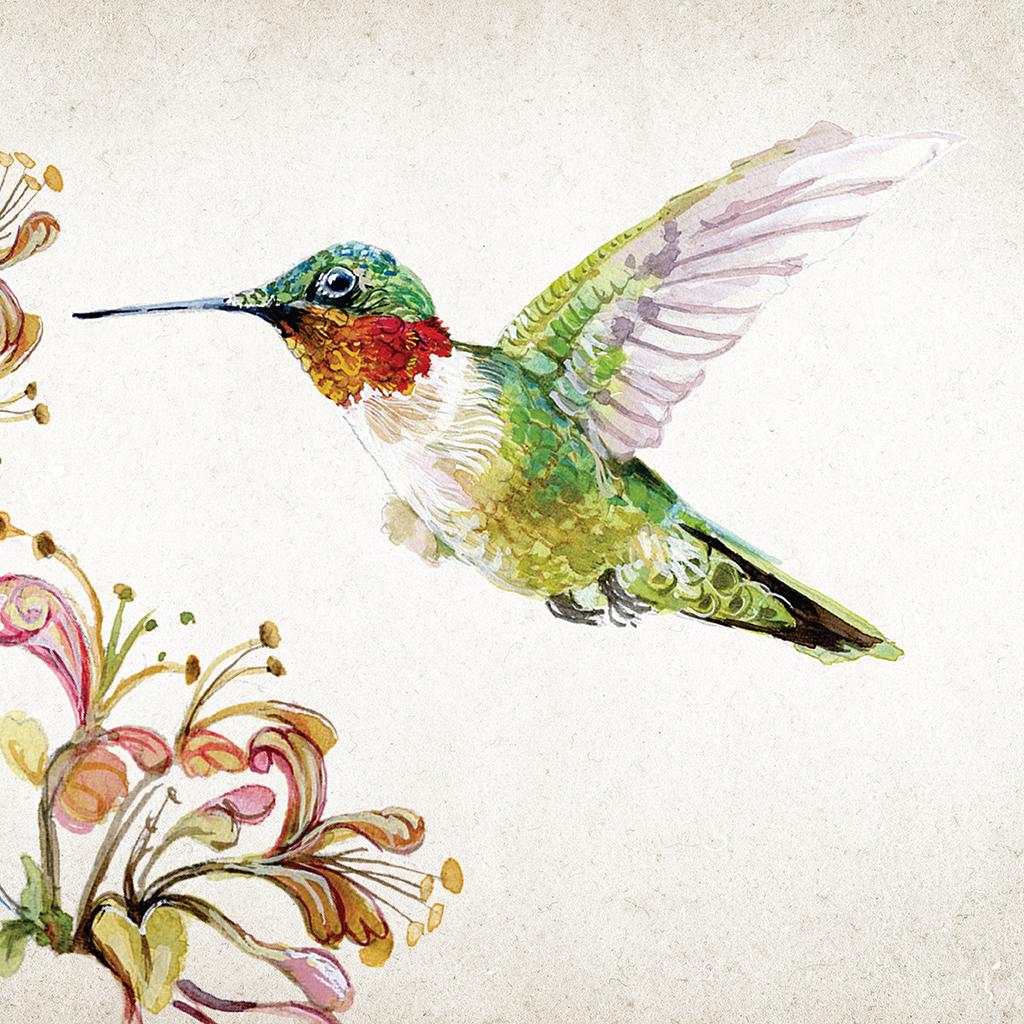
RUBY-THROATED HUMMINGBIRD
(Archilochus colubris)
Most people don’t think of birds as pollinators. But the ruby-throated hummingbird is here to change your mind! These tiny birds zip around, using their long, thin beaks to feed on nectar from bright, tubular flowers, transferring pollen between them as they go—that is, when they aren’t occupied at backyard hummingbird feeders! These birds are identifiable by their shiny green plumage and, if you’re lucky enough to get a close look, the ruby-red feathers on the throats of males. But even females are easily identifiable: ruby-throated hummingbirds are the only hummingbird species found in Ontario!
FUN FACT: Scientists have noticed that some hummingbirds are evolving to drink more quickly and readily from backyard feeders!
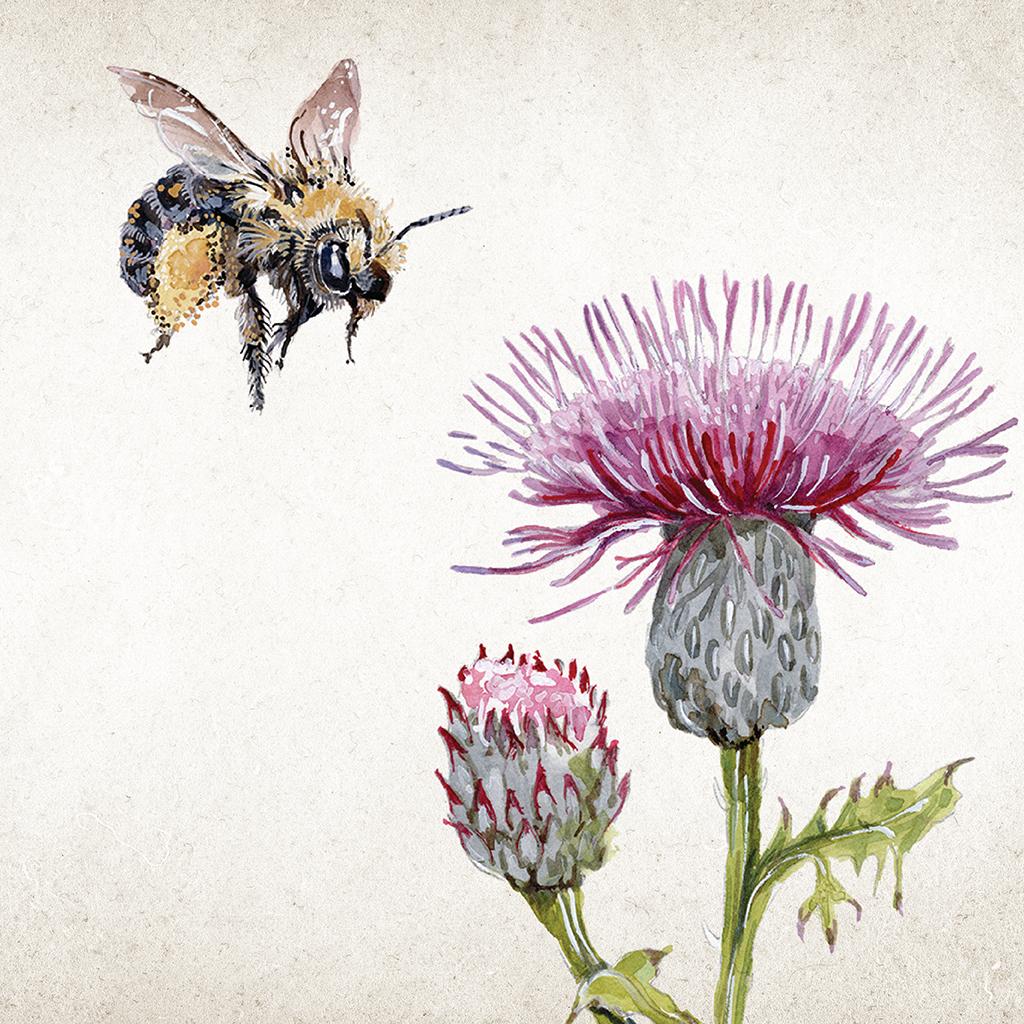
EASTERN THISTLE LONGHORN BEE
(Archilochus colubris)
Pollinators are incredibly diverse. Some are generalists, feeding on any flower they can get, while others, like the eastern thistle longhorn bee, are specialists, with a strong preference for a single plant. These bees only feed on thistles, making them one of the best pollinators for these spiky plants. Go find a patch of thistles on a summer’s day and keep an eye out for their long “horns” (antennae), black abdomens, and yellow thoraxes. You’ll have to get close to get a photo of these centimetre-long bees, but don’t worry—they won’t sting you, you’ll just have to avoid getting pricked by the thistles!
FUN FACT: Female eastern thistle longhorn bees have distinctive bright orange hair on their back legs for collecting pollen!
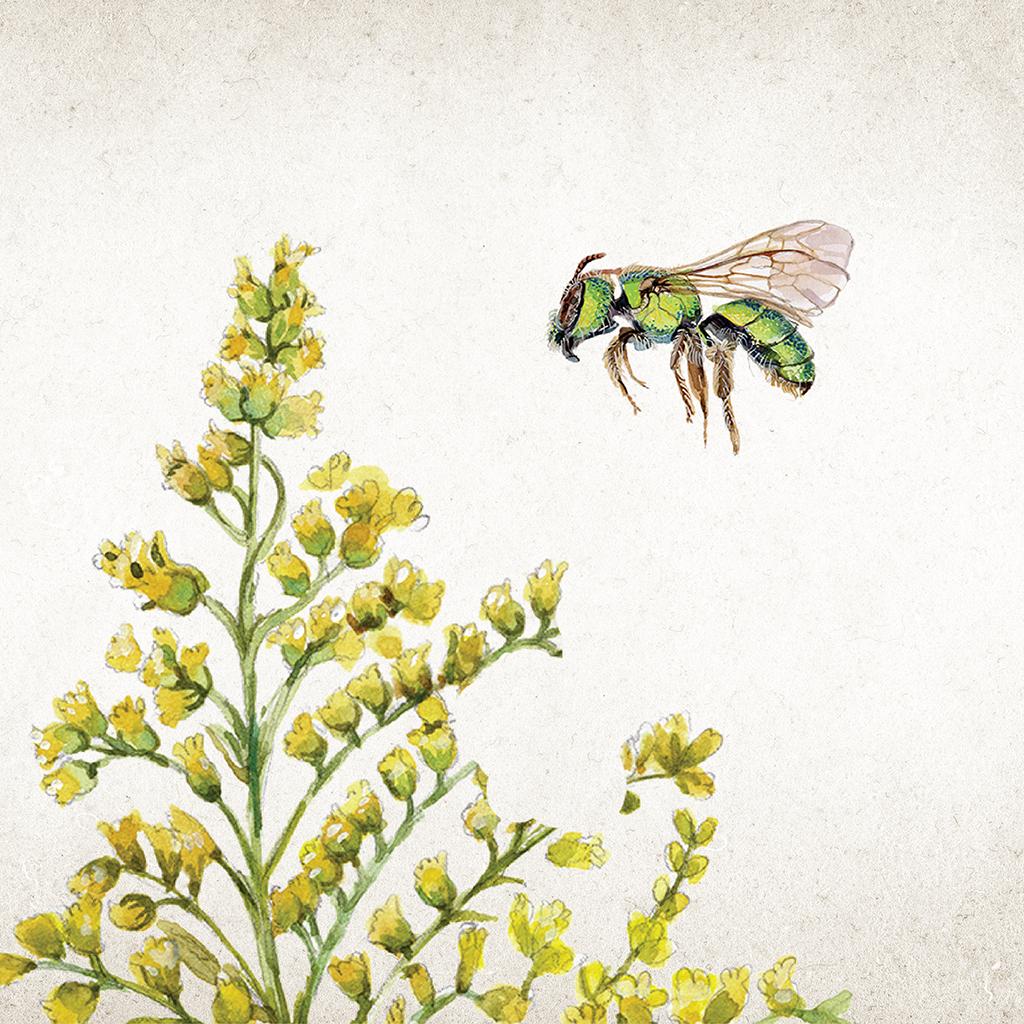
PURE GREEN SWEAT BEE
(Augochlora pura)
The pure green sweat bee is even smaller than the eastern longhorn thistle bee: less than a centimetre long! Their metallic green bodies might make you think that they are flies, but take a closer look: these gemstone-like bees have long antennae, rather than the short, stubby antennae characteristic of flies. And if you’re looking at a female, you’ll see pollen-collecting hairs on her hind legs. Females burrow into dead and rotting wood to make their nests, where they attentively take care of their eggs. If you want to catch sight of a pure green sweat bee, take a morning stroll past some asters, coneflowers, and goldenrods.
FUN FACT: Males of this species are more blue-green than females, and populations in the southern United States are so blue that at one point scientists thought they were a different species!
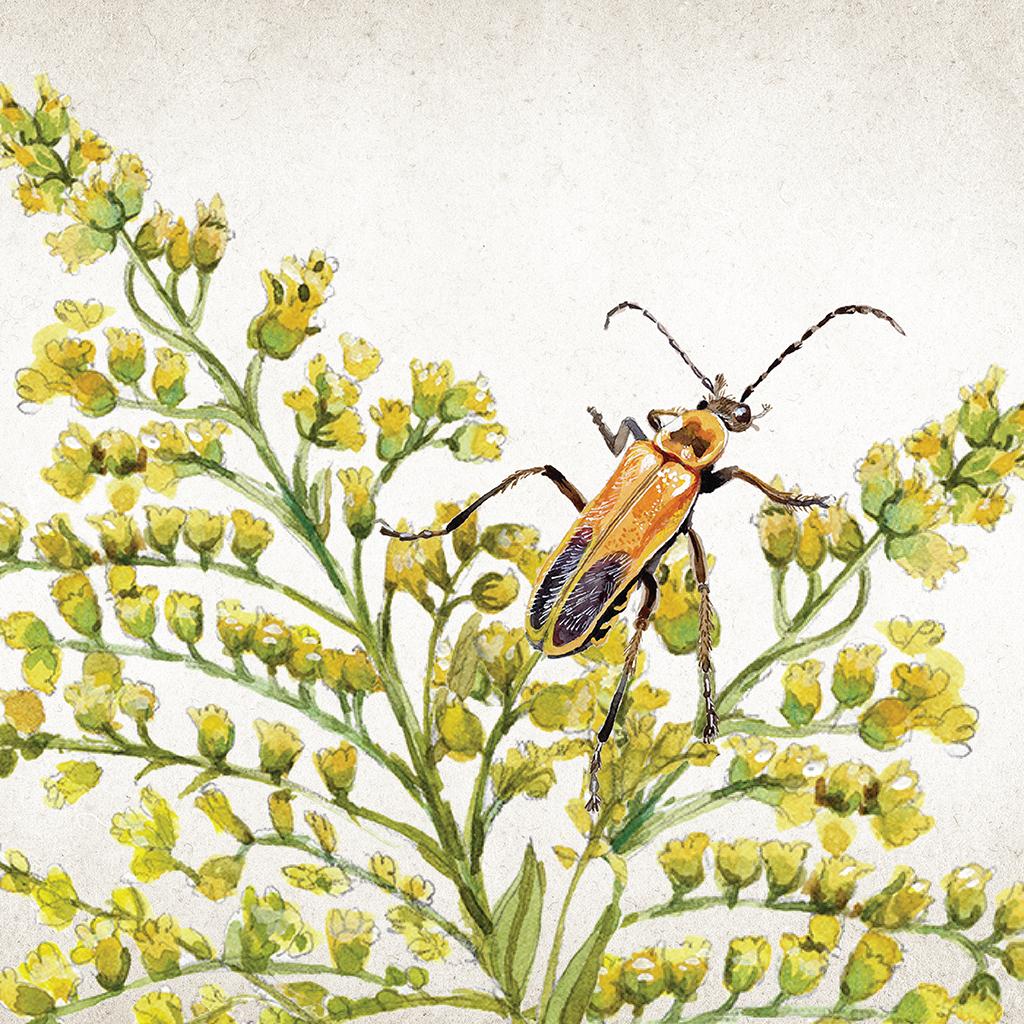
GOLDENROD SOLDIER BEETLE
(Chauliognathus pensylvanicus)
Even if you didn’t know what it was, you’ve probably seen a goldenrod soldier beetle before. In late summer and early autumn, these bright yellow-orange beetles are commonly found on goldenrod and other clustered flowers, eating nectar, pollen, and small insects. In fact, these beetles help to control pest populations like aphids! While beetles aren’t often celebrated as pollinators, they are important in pollen transfer for flowers like goldenrod, milkweed, prairie onion, and Queen Anne’s lace.
GREATER BEE FLY
(Bombylius major)
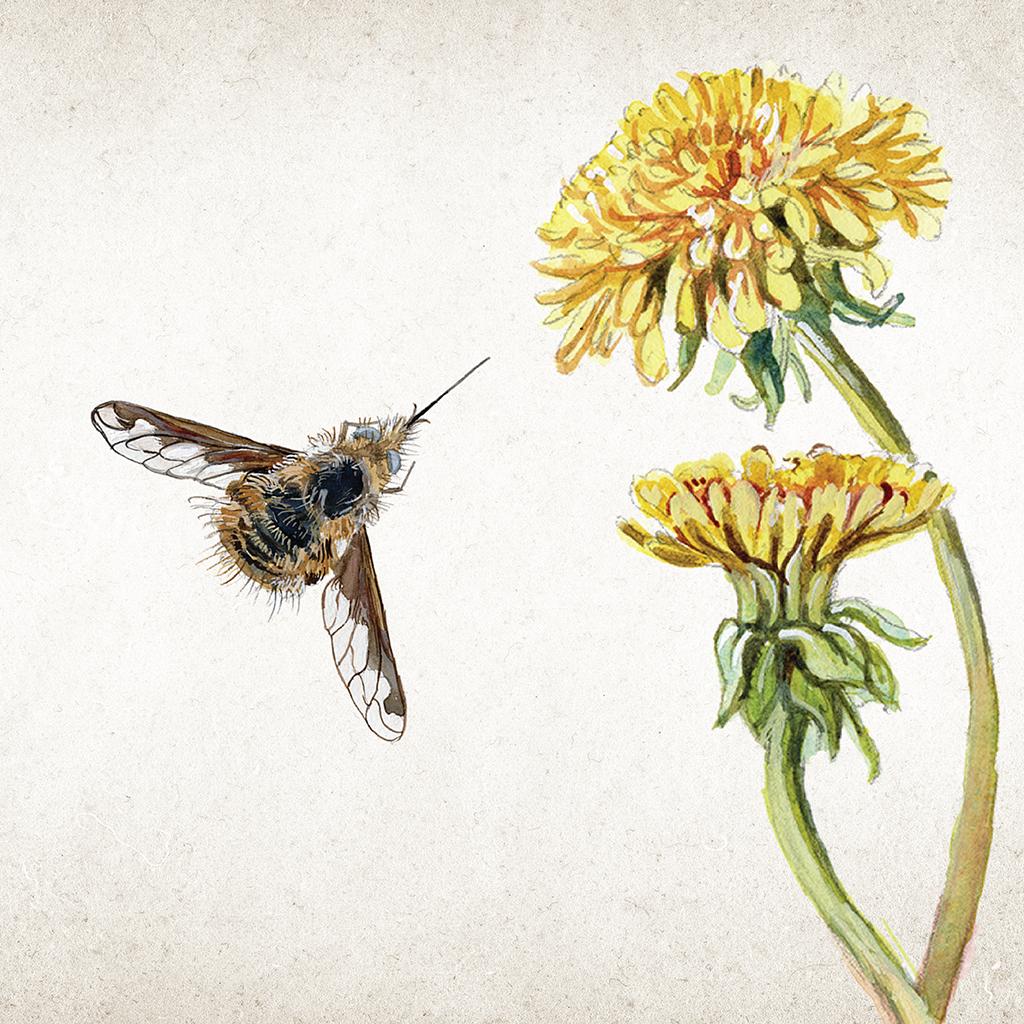
The greater bee fly is a fly in disguise! Their bee-mimicking appearance helps keep them safe from predators, who have learned that bees are quite painful snacks. This small but mighty pollinator is covered in yellow-brown peach fuzz, is only about a centimetre long, and has a long proboscis to stick into willow and dandelion flowers like a straw as it hovers in front of them—a feeding strategy not unlike hummingbirds’! If you happen to catch one sitting still, you’ll be able to see a fancy dark border along its wings.
FUN FACT: Bee flies display a special flight pattern known as “yawing,” where they spin around in the air
HUMMINGBIRD CLEARWING MOTH
(Hemaris thysbe)
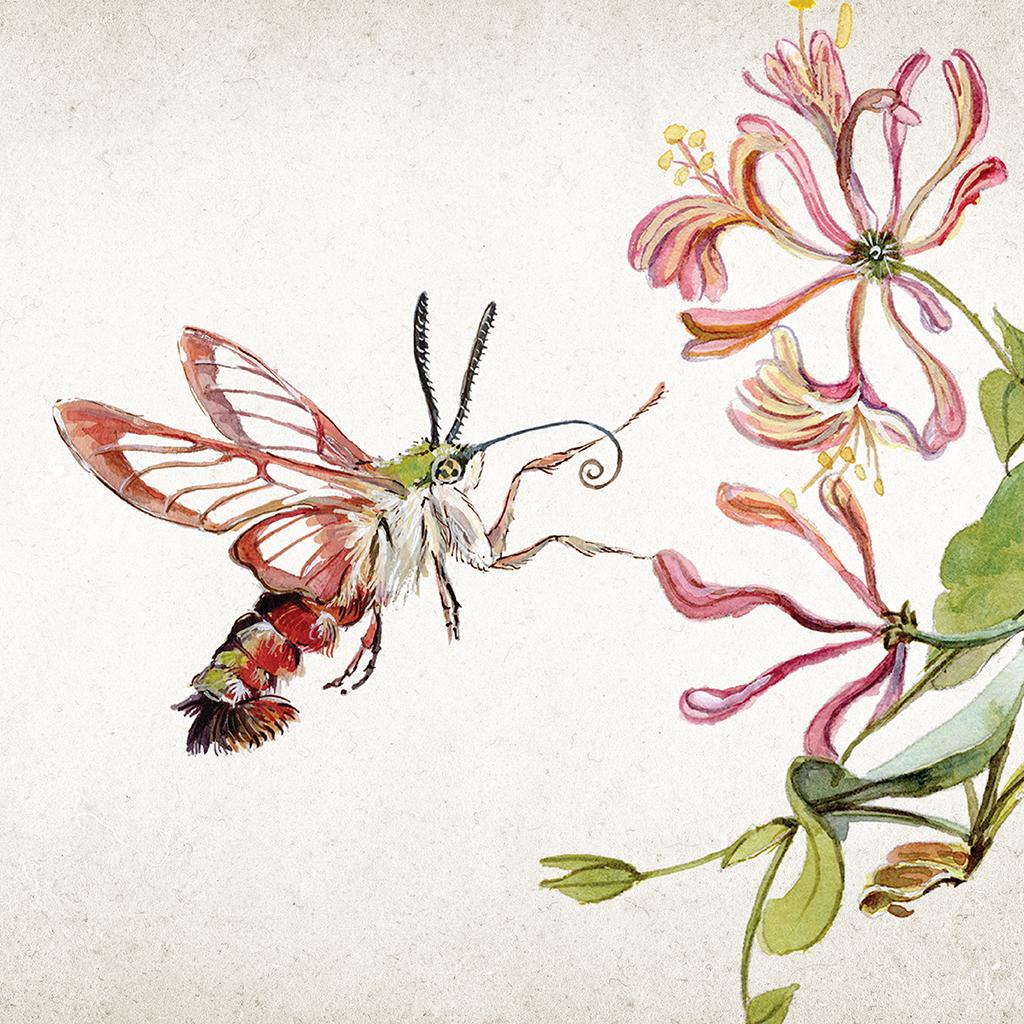
The hummingbird clearwing moth may look like a hummingbird at first glance, but it’s really just one of the fanciest moths we have here in Ontario. These large sphinx moths have lobster-shaped tails, fuzzy bodies for transferring pollen, clear wings, and long, coiled proboscises that they use to sip nectar from flowers. The length of the hummingbird clearwing moth’s proboscis actually makes them crucial pollinators for flowers that shorter-tongued species, like bees and flies, cannot access. If you have phlox, lilac, or honeysuckle in your garden, you’ll want these charismatic moths around.
FUN FACT: Another species of clearwing moth in Ontario, the snowberry clearwing, is a phenomenal bumble bee mimic!
YELLOW-LEGGED MUD DAUBER
(Sceliphron caementarium)
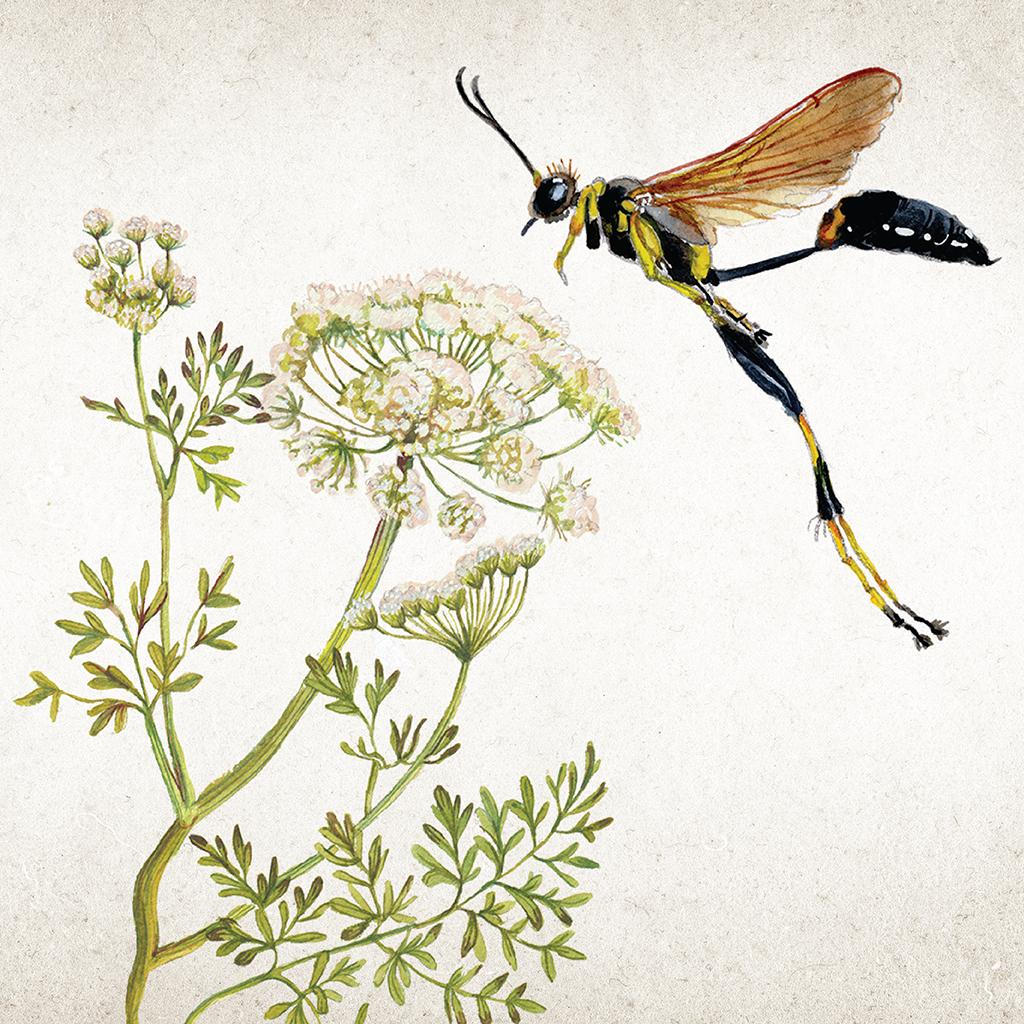
While the yellow-legged mud dauber may look intimidating, with its long, black body and bright yellow legs, these wasps are generally non-aggressive and rarely sting. Each female builds her own smooth mud nest, which she fills with spiders that she stings, paralyzes, and carries back for her young to eat. While wasps are best known as predators, adult mud daubers visit flowers to feed on nectar, passively pollinating a variety of plants, like Queen Anne’s lace and parsnips, in the process. These helpful yet underappreciated wasps contribute to both flower pollination and natural pest control.
FUN FACT: A female yellow-legged mud dauber will seal each one of her eggs into a mud chamber along with a spider for it to eat when it hatches
A very special thanks to Parker Smale, Annika Wilcox, Alex Bowman, Cole Blair, Wildlife Preservation Canada for providing this thorough and compelling information.
HOW YOU CAN HELP
Native pollinators face many threats, including climate change, habitat loss, and pesticide use. While these challenges are considerable, there are meaningful actions we can take to support pollinators at home and in our communities.
Provide Food
Pollinators rely on flowers for food, and planting with them in mind can make a real difference. Choose native plants whenever possible, as they provide the most suitable nutrition for local species. Aim to have at least one or two plant species in bloom from early spring through fall so pollinators have a steady food supply. Avoid using pesticides in gardens and green spaces, opting instead for pollinator-friendly alternatives.
Provide habitat
Pollinators need more than flowers to survive. Leave some leaf litter in your yard for insects like bumble bees that overwinter underground, maintain small patches of bare soil for nesting bees, and plant native grasses or host plants for caterpillars. Leaving hollow plant stems in place and installing bee hotels can also provide shelter.
Observe and report
You don’t need a garden to help! Observing pollinators and submitting photos to community science platforms such as iNaturalist or Bumble Bee Watch helps researchers track populations and trends.
Advocate
Support pollinator-friendly policies and local conservation groups by donating time, money, or your voice.
DID YOU KNOW?
While it is probably the most recognizable pollinator in Ontario, the EUROPEAN HONEY BEE (Apis mellifera) is not actually native to North America! Honey bees were brought over from Europe in the early 1600s by settlers, similar to how cattle were brought from Spain. While honey bees are important for agriculture and the production of honey, which is not made by any native bees in Canada, native bees are more important for our ecosystems.
COMING SOON!
BIRDS OF THE BAY
BUGS OF THE BAY
FISH OF THE BAY
Let’s see what we got!
The Bay of Quinte RMB Land Acknowledgement
The Bay of Quinte Regional Marketing Board is committed to acknowledging, appreciating and understanding the Indigenous Peoples’ historic connection to this land and to raising awareness by building relationships in collaboration with Indigenous partners and communities.
We recognize and acknowledge that we are living and working on the traditional territory of the Wendat, Mississaugas, Anishinaabeg and Haudenosaunee which includes the Kenhtè:ke Kanyen’kehá:ka (Mohawks of the Bay of Quinte) with whom we work in direct partnership with.
This partnership focuses on the common goal of celebrating the region with the Kenhtè:ke Kanyen’kehá:ka who are equal partners within the organization and at the Board of Directors table contributing to the mandate and operations.
This mandate includes listening to, learning from, and collaborating with the Kenhtè:ke Kanyen’kehá:ka and actively incorporating their culture and heritage into the practice of responsible destination marketing and management of the region.
We understand that this land acknowledgement is only a small step towards the larger process of reparations and reconciliation.
COOKIE SETTINGS
Bayofquinte.ca uses the cookies described below on this website. You can decide which categories of cookies you wish to accept. To learn more about the cookies we use on our site, please read our Privacy Policy.
Functional Cookies
These technologies are required to activate the core functionality of the website. E.g. Youtube, CloudFlare.
Analytics Cookies
Google Analytics cookies are used for tracking popular page visits to better serve our users with relevant content
Marketing and Advertising Cookies
These cookies are used for gathering user data to create a better experience with more relevant offers. E.g. Facebook pixel tracking